Company Update: We Did Not Slow Down in June
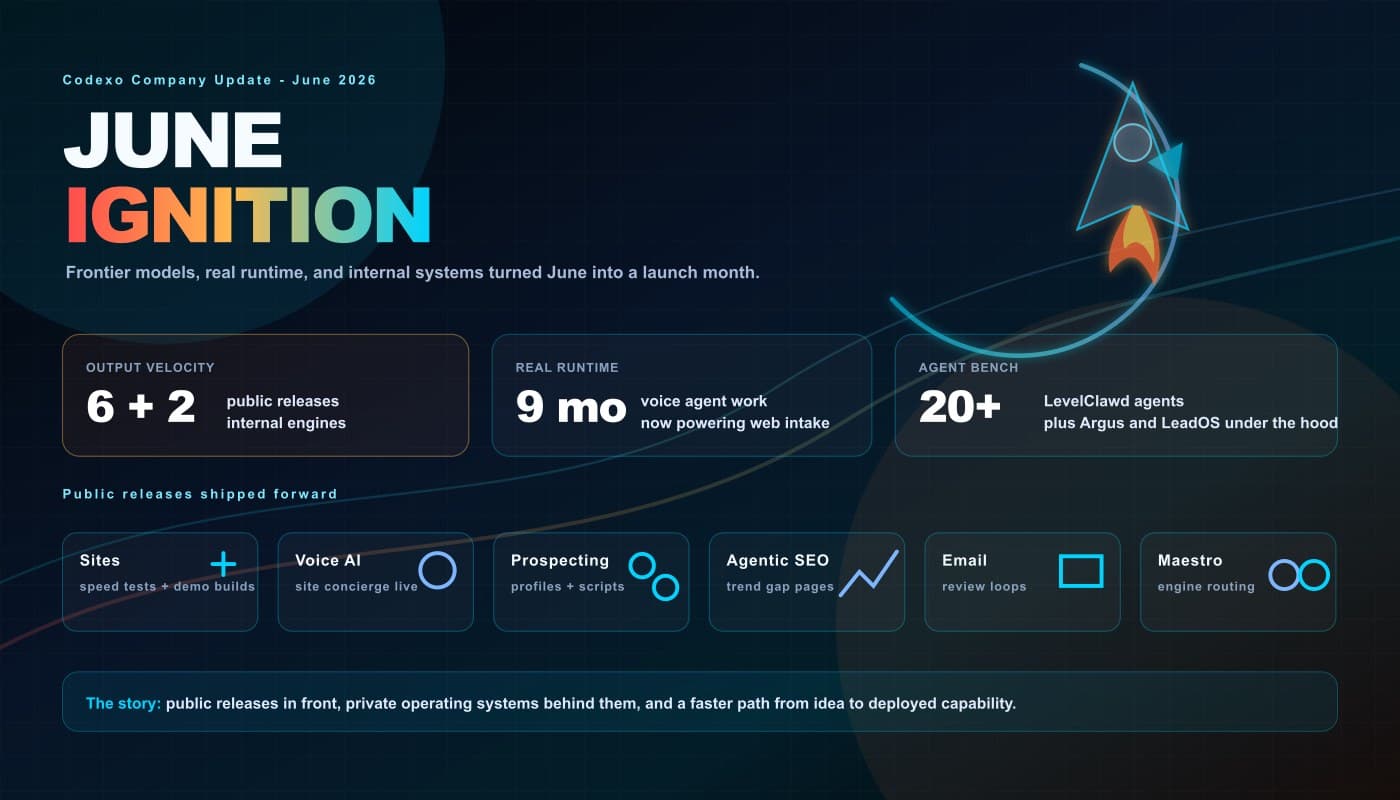
June was one of the biggest months we have had at Codexo. The short version: frontier model access, months of real runtime behind our agents, and a lot of practical building came together at the same time. Here is what went live, plus a look at the internal systems pushing the work forward.
The reason June moved so fast
The big unlock was not one tool. It was the combination of frontier AI models, real client workflows, and months of agents running in production. When those pieces start working together, the pace changes.
That matters because we are not just testing prompts in a sandbox. We are watching what happens inside real sales, marketing, CRM, website, and follow-up systems. The faster we learn there, the faster we can turn the useful parts into products.
The best part is that the same process helps keep pricing grounded. We keep finding cheaper and more capable ways to get the same outcome, then packaging that into the work we deliver.
Website buildouts got a full rebuild
We rebuilt our website development process from the ground up. The goal is simple: better design, faster pages, cleaner conversion paths, and less waiting around before you can see what the thing is going to look like.
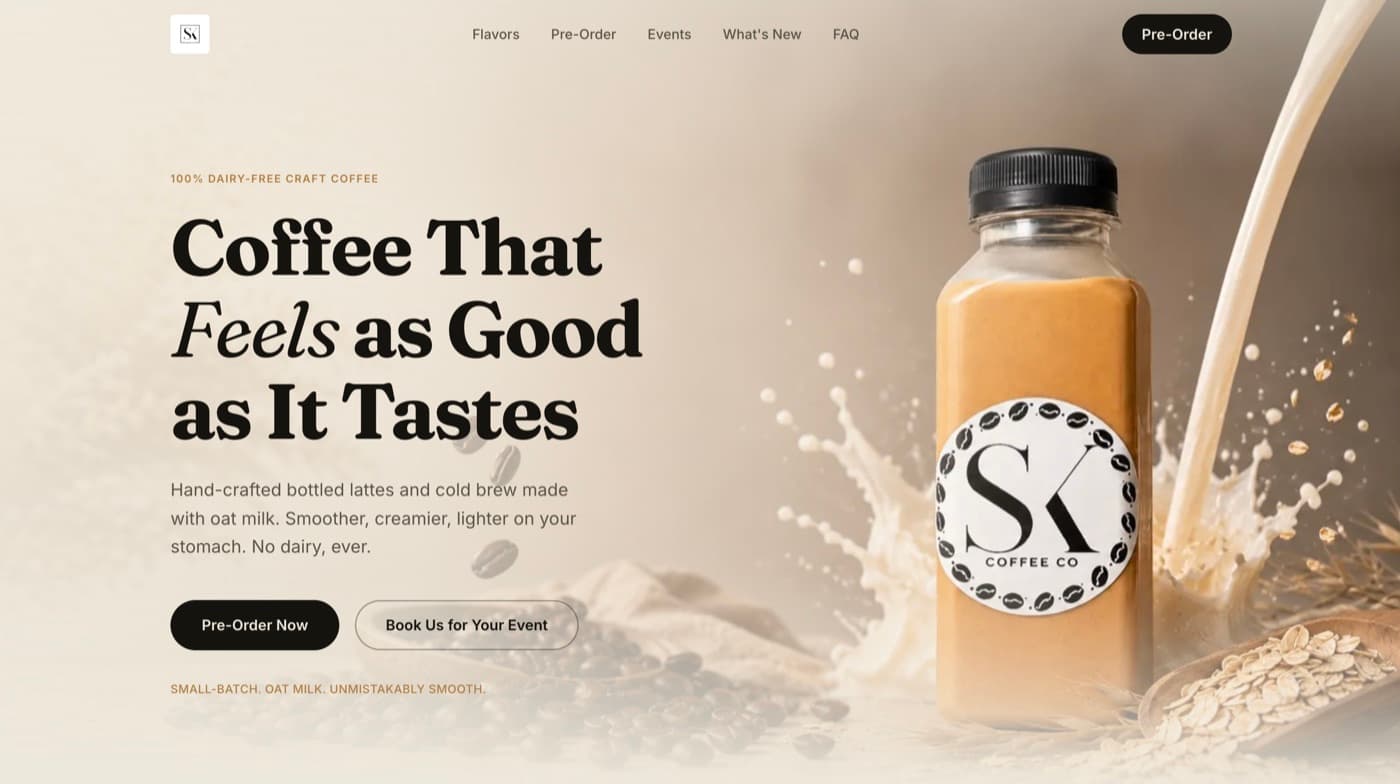
To kick it off, we opened 10 spots where you buy one page and get three more built for free. You can test your current site speed and request a real demo build at codexotech.com/sites. No pressure, just a useful way to see what is possible.
The voice agent moved from the phone to the website
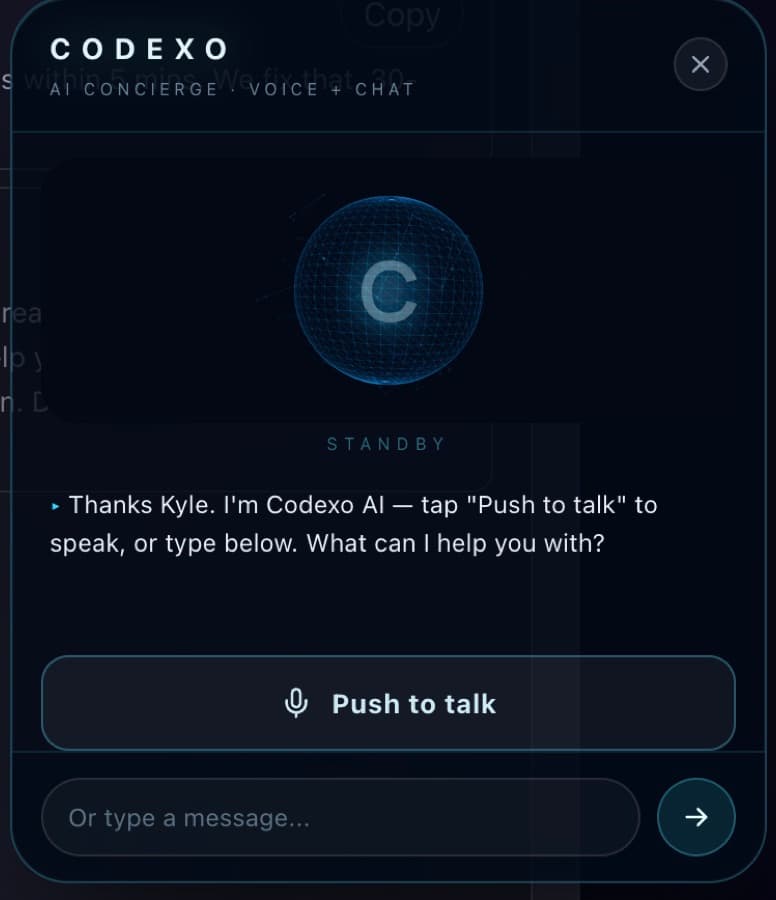
ElevenLabs has powered our phone agents for the last nine months. In June, that same voice layer moved directly onto codexotech.com as a website concierge.
Now visitors can ask questions, get routed, request booking help, or type if they would rather type. The point is not to add another widget. The point is to shorten the distance between interest and action.
Prospecting Support now turns a company into a call plan
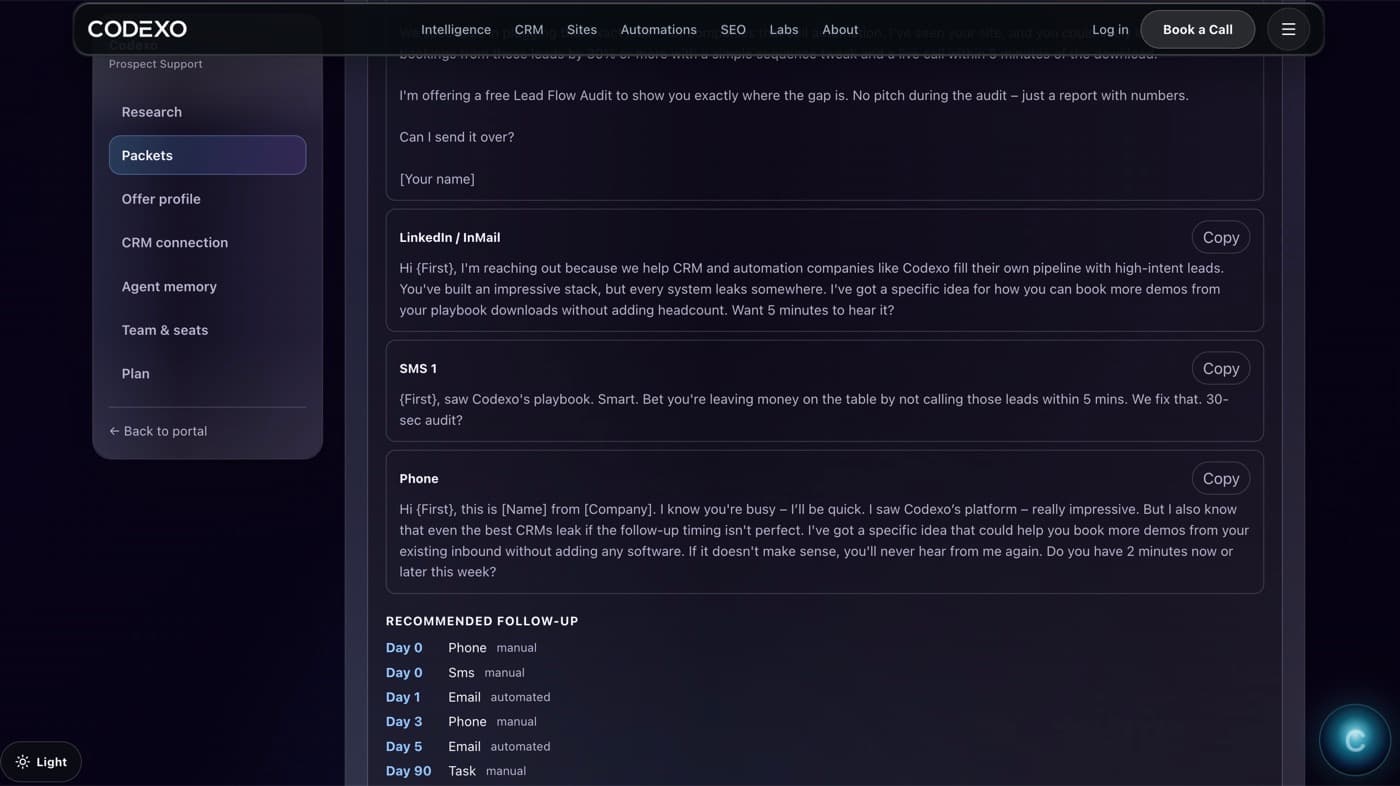
Prospecting Support is live now. Give it a company and the engine pulls public information together into a usable profile: what the business does, where the gaps might be, why they may be a fit, and where the offer has leverage.
Then it writes outreach scripts based on proven sales frameworks, including the styles behind Alex Hormozi, Tony Robbins, and Russell Brunson. The research and the talk track show up together, so the team is not staring at a blank screen before the call.
Agentic SEO is tied into local trend movement
Our SEO process now watches location-based search trends and competitor coverage together. That lets us find the gap, build around it, and move before most teams have even opened the trends dashboard.
This is where the agentic part matters. The system can look at demand, spot the missing coverage, help build the page plan, and keep improving the basics like site speed and content depth at the same time.
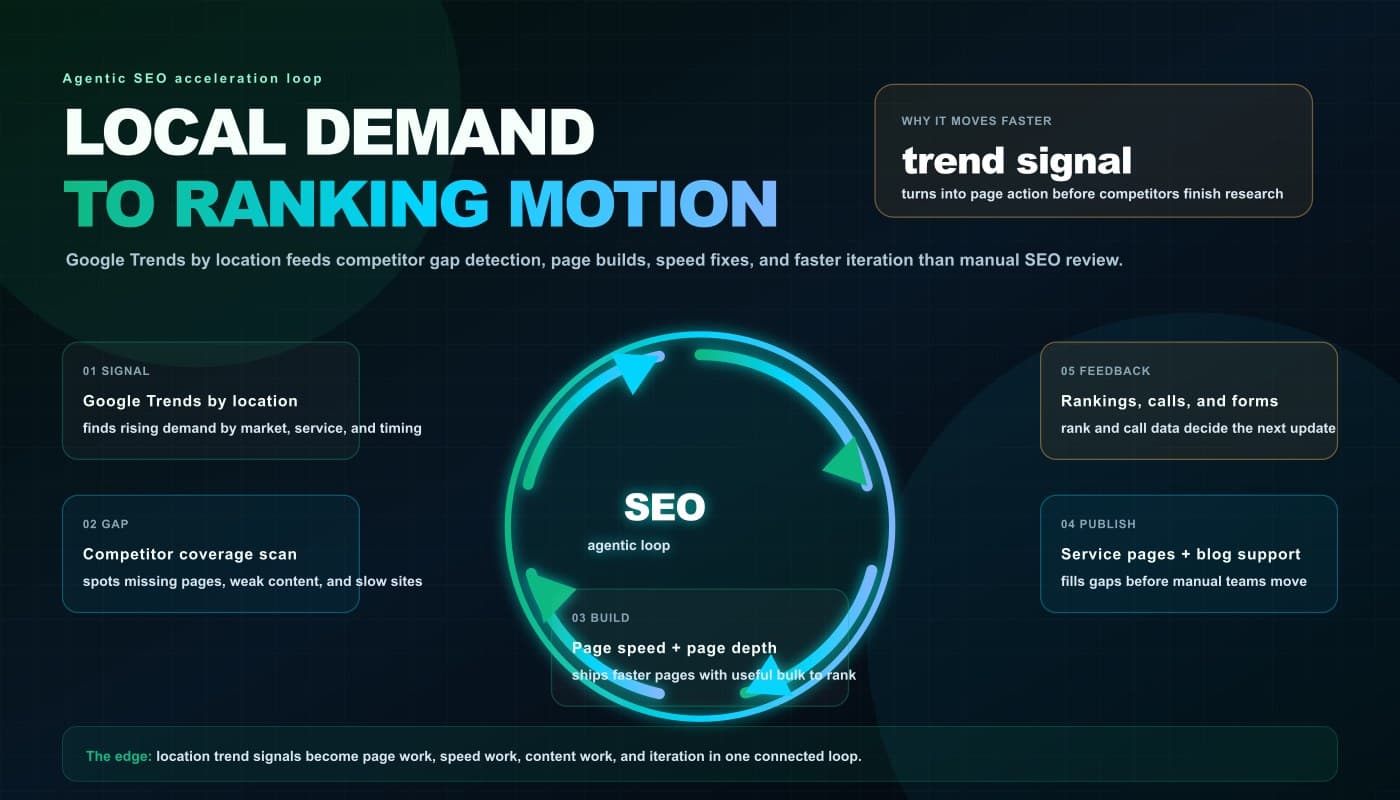
The aim is simple: rank faster, show up higher, and turn more local search intent into real calls.
Email is still the quiet revenue lever
A year of data keeps pointing to the same thing: email is one of the easiest revenue levers most businesses still underuse. Reviews, referrals, reactivation, follow-up, nurture - a lot of it is sitting there, half-built or not built at all.
We now audit where those automations are missing and help fill the gap with sequences and content that can be generated much faster than before. The result is simple: the marketing dollars you already spend have a better chance of turning into booked revenue. The full breakdown is at codexotech.com/email-marketing.
The big one: Maestro
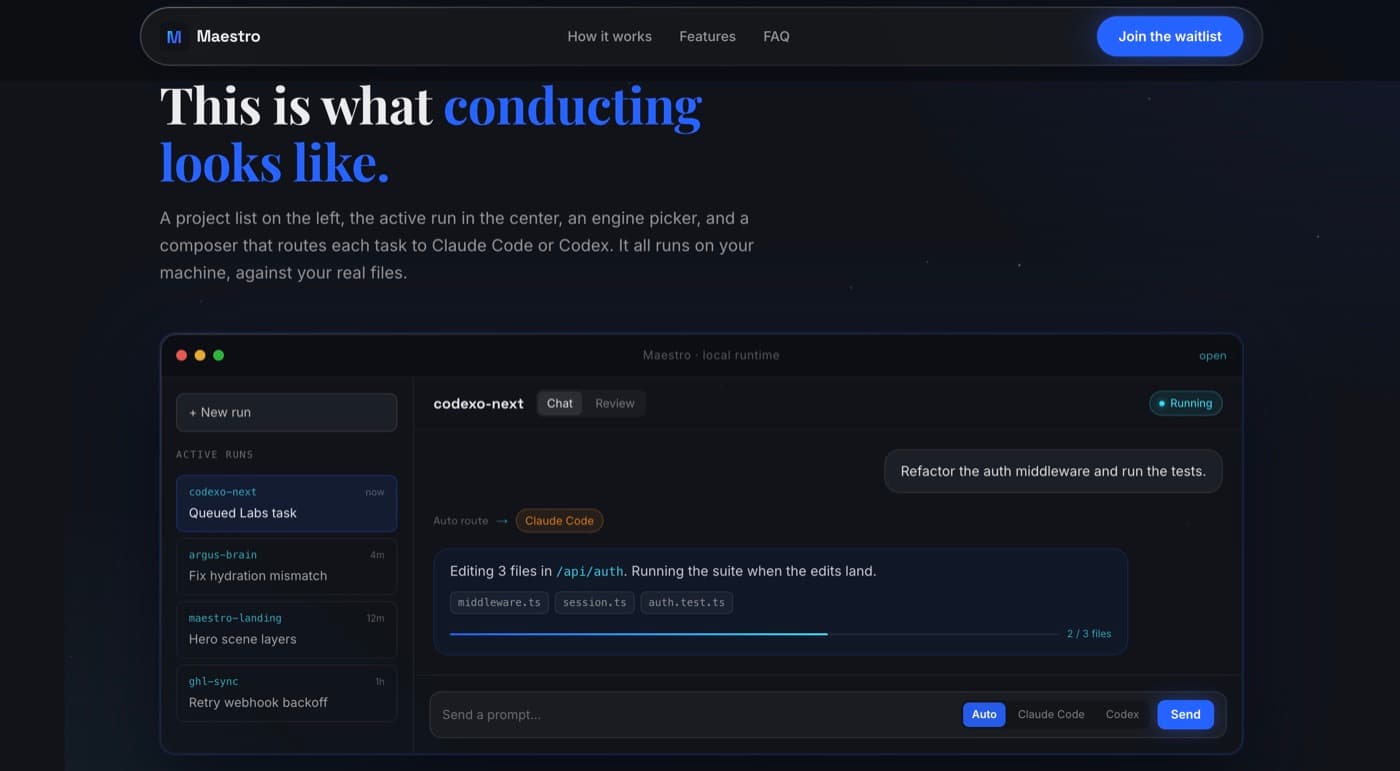
Maestro is probably the biggest thing we have built so far. It is one chat box that connects your Claude and Codex subscriptions into a single conversation, then routes work to whichever engine is better for the task.
That means less tool switching, less copy-pasting context, and fewer broken handoffs between apps. It is powered by LevelClawd, our platform of 20+ agents that can run tasks, create content, support builds, and help people move faster without needing to code everything themselves.
You can see Maestro at maestro.codexotech.com and explore LevelClawd at levelclawd.codexotech.com.
Under the hood: Argus is our private operating center
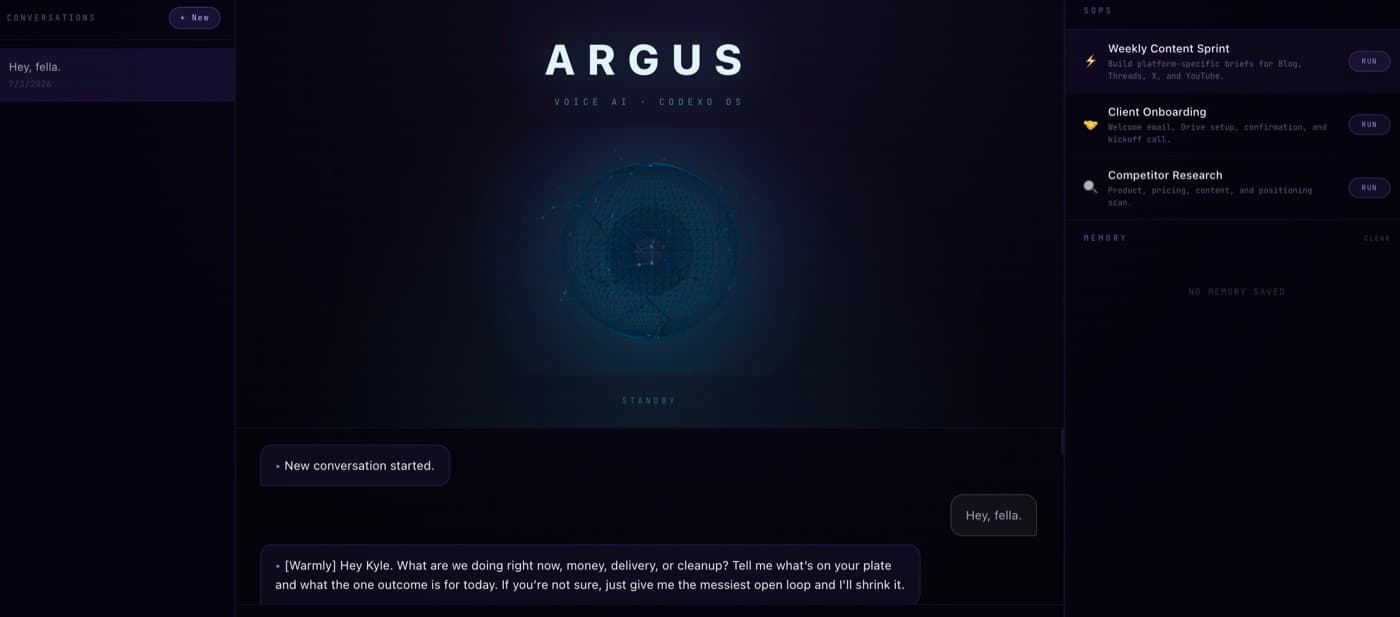
Argus is not a public product. It is the internal operating center we are building so Codexo can talk to agents independently, trigger work from anywhere, and keep the agent layer connected to the systems that matter.
The easiest comparison is a Jarvis-style command center. The useful part is not the sci-fi wrapper. It is the control layer underneath: conversations, agent tasks, CRM actions, emails, text messages, and workflow triggers all becoming available from one place.
That is why Argus matters to the rest of this update. It gives the agents enough context and operational access to do more than answer questions. It lets them help move work forward.
LeadOS turns prospecting into an operating workflow
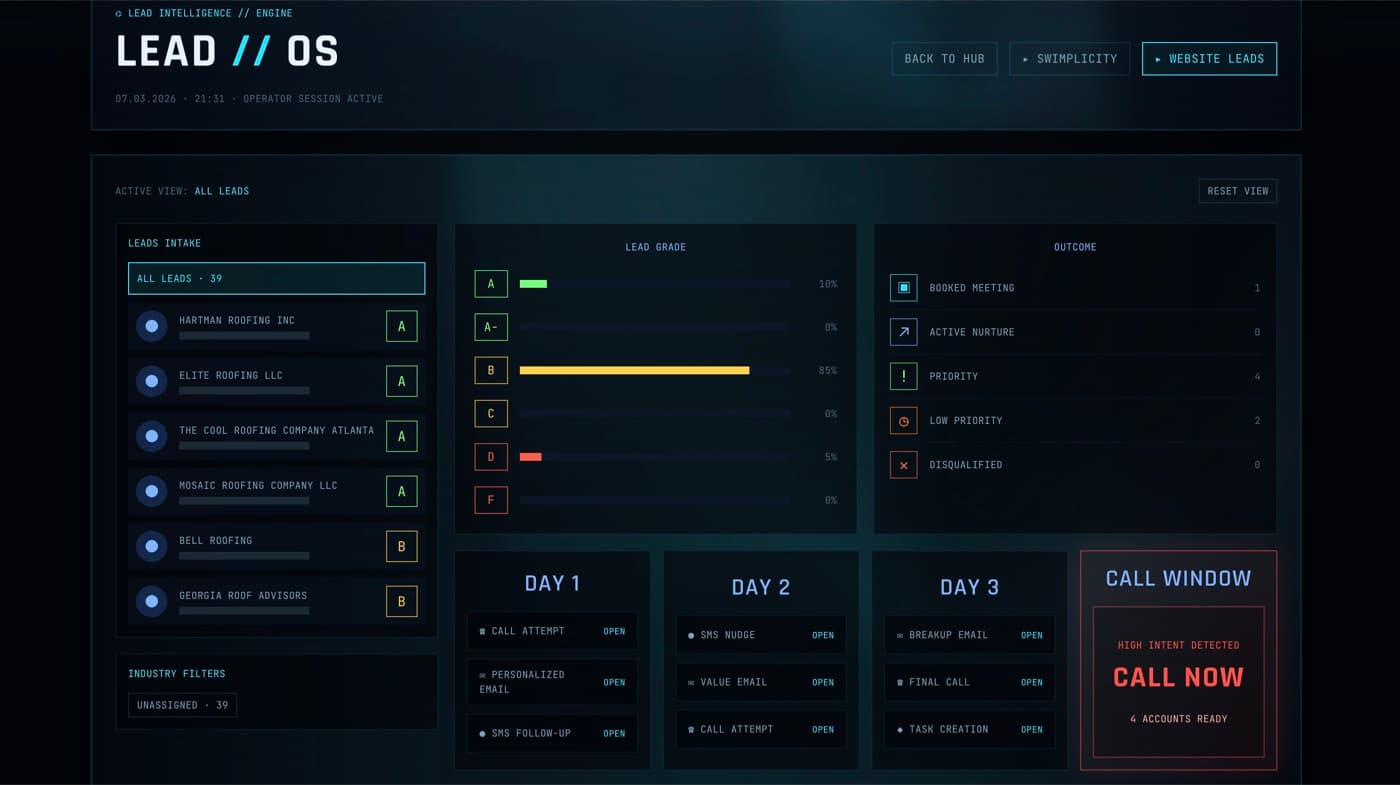
LeadOS is another internal system, and it takes the best parts of Prospecting Support further. Instead of stopping at research and scripts, it puts the leads into an operator dashboard where accounts can be graded, prioritized, and moved into the next action.
The system is built around offers. It can scrape companies that match the offer, pull the contact information and key players we need, grade the account, recommend what to do next, and support a 14-day reach-out cycle from the dashboard.
The quiet advantage is the connection between opt-ins, lead magnets, CRM context, and AI-assisted nurture. When someone raises their hand on the site, the follow-up path can become much more automated without losing the context a real sales process needs.
That was June. We are not slowing down.
If any of these updates sound useful for your business, we can walk through where the fastest win is: site speed, AI voice, prospecting, SEO, email, or the internal operating layer behind it all.
Book a Strategy Call